
Business coaching is heading into a new era—one that’s being shaped by smarter technology, shifting workplace cultures, and a growing demand for personal and professional development that actually sticks. Coaching isn’t limited to the C-suite anymore. It’s being integrated across teams, functions, and industries, with a focus on driving real change rather than checking boxes. I’ve worked with companies undergoing digital transformation, leadership transitions, and culture shifts, and in every case, coaching plays a critical role in equipping people to navigate the unknown. What’s changing now is how coaching is delivered, who’s receiving it, and what tools are being used to make it scalable and measurable. This article unpacks the key trends shaping the future of business coaching and how they’re changing the game for professionals, organizations, and coaches alike.
Artificial Intelligence Is Reshaping Coaching Delivery
AI isn’t replacing business coaches—it’s extending their reach. Tools powered by artificial intelligence are helping streamline repetitive tasks, offer personalized learning paths, and even simulate tough workplace conversations. Virtual role-playing platforms are now advanced enough to help clients practice leadership challenges or conflict resolution scenarios with intelligent feedback loops. What used to require one-on-one human input can now be scaled to hundreds of employees using smart assistants and AI-powered coaching apps.
The biggest impact is in follow-through. Between sessions, AI tools keep people accountable with nudges, reflection prompts, and real-time progress tracking. This allows coaches to focus on deeper strategy and behavior change while letting automation handle the task-level reinforcement. The result? More consistent application and better ROI for organizations investing in development programs.
Emotional Intelligence Is a Top Priority
Coaching used to be all about performance. Now, it’s just as much about self-awareness, empathy, and resilience. Organizations are recognizing that skills like emotional regulation, active listening, and empathy aren’t soft—they’re foundational to leadership. And coaching is one of the most effective ways to develop those traits in real time.
This shift has raised expectations. Clients aren’t just looking to become better decision-makers; they want to improve how they lead teams, manage stress, and respond under pressure. Coaches are adjusting by building more EQ-focused frameworks into their programs, combining behavioral science with mindfulness and emotional literacy work. When done right, the impact on team morale and productivity is measurable.
Virtual and Hybrid Coaching Is the New Normal
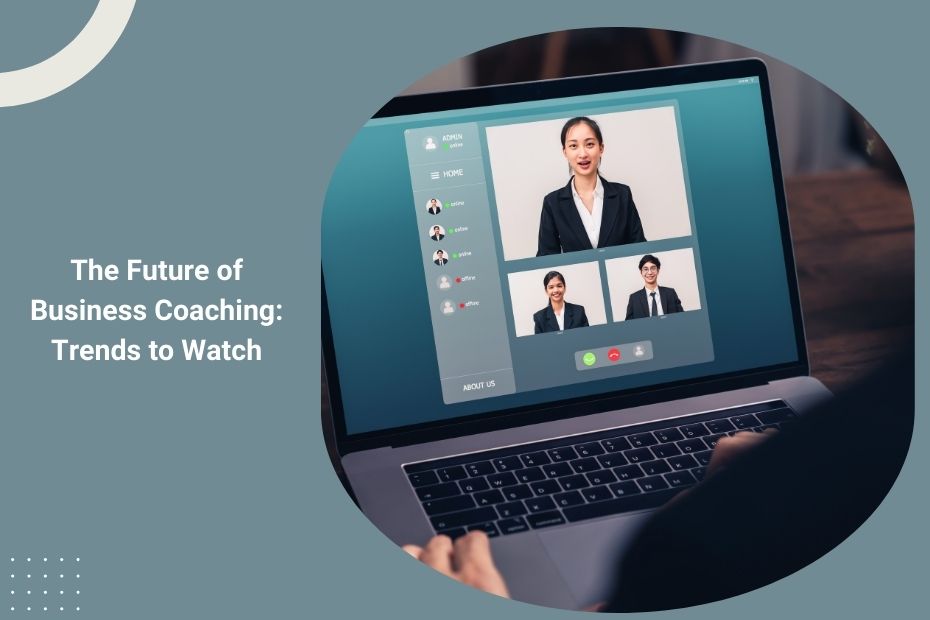
Coaching used to mean meeting in an office or flying in for quarterly retreats. Now it means logging in from anywhere. Virtual coaching platforms have made it easier to connect across time zones, industries, and levels. This flexibility has opened up coaching to mid-level managers and cross-functional teams who were previously left out of these conversations.
Hybrid models are becoming more popular too—mixing in-person workshops with digital follow-ups, or running group coaching sessions alongside private check-ins. The tech infrastructure is there, but what really matters is accessibility. Removing the physical and financial barriers to coaching is creating more inclusive development paths, especially for distributed teams and fast-scaling startups.
Coaching Is Getting More Personalized and Specialized
Generic coaching programs don’t cut it anymore. Clients want coaches who understand their world—whether that’s tech startups, healthcare, finance, or creative industries. This demand is pushing coaches to define niches and tailor their services to specific career stages, personality profiles, or leadership styles.
What’s emerging is a more targeted approach. Instead of running broad leadership development tracks, companies are hiring coaches who focus on first-time managers, founders, technical leaders, or executive women. These coaches speak the language of their clients, anticipate common roadblocks, and design strategies that fit the environment. The result is faster progress and better alignment between goals and action plans.
Mindfulness and Wellness Are No Longer Optional
Workplace stress is a constant, and business coaching is responding by integrating wellness tools directly into coaching sessions. Techniques like guided breathing, visualization, and reflection are helping clients reset mentally before making key decisions or tackling difficult conversations. What was once seen as “too soft” is now being adopted at the boardroom level because it works.
Mindfulness isn’t just about individual well-being—it supports team health, communication clarity, and long-term productivity. Coaches who can blend strategic leadership advice with mental clarity techniques are delivering the kind of whole-person development companies are asking for. This isn’t a passing trend. It’s a response to a real need for more human-centered leadership.
Coaching Programs Are Being Driven by Data
Organizations are no longer satisfied with anecdotal success stories. They want metrics. They want to know if coaching is leading to higher retention, stronger engagement, better decision-making, or quicker promotions. That’s where data-driven coaching programs come in. Coaches and platforms are now using assessment tools, 360-degree feedback, and progress dashboards to quantify results.
When coaching is linked to performance goals or culture initiatives, data becomes the bridge between development and impact. It also helps scale programs. By identifying which areas see the most improvement, companies can fine-tune their offerings and replicate success across departments. Coaches who know how to track and communicate results are now seen as strategic partners—not just outside consultants.
Ethical Standards and Trust Are Gaining More Attention
As the coaching industry grows, so does the pressure to define clear standards. Organizations are asking more questions about confidentiality, coach training, and alignment with corporate values. And with AI tools now involved, concerns around data privacy, decision bias, and transparency are becoming central to vendor evaluations.
The best coaching programs are built on trust. Coaches must protect confidentiality while also helping clients navigate organizational challenges. Establishing clear boundaries, maintaining neutrality, and staying aligned with ethical guidelines is part of what separates credible coaches from transactional ones. Companies investing in coaching at scale are prioritizing these elements more than ever.
Coaching Cultures Are Spreading Across Entire Organizations
Coaching is no longer reserved for top executives. It’s being baked into how companies lead, manage, and support people at all levels. From onboarding programs to peer mentoring to manager training, coaching principles are showing up everywhere. The goal is to build a culture where feedback flows, learning is constant, and people feel safe to grow.
This shift changes the role of the coach. Instead of delivering sessions one by one, coaches are now helping organizations design systems, train internal mentors, and build coaching mindsets across teams. It’s about enabling—not just delivering. And when coaching is part of how people operate, the benefits multiply beyond any single session.
Group Coaching and Community Learning Are on the Rise
Learning doesn’t always have to be one-on-one. Group coaching models are gaining traction because they tap into collective knowledge, reduce cost, and build peer support. Whether it’s leadership cohorts, founder roundtables, or manager bootcamps, people are looking for shared experiences that combine structured learning with real conversation.
Coaches are adapting by designing group sessions that balance individual attention with collaborative exercises. Participants get feedback from peers, learn from others’ challenges, and build networks that support them long after the program ends. The shared accountability accelerates growth and gives clients a sense of belonging—something that’s often missing in traditional coaching models.
What’s Shaping the Future of Business Coaching?
- AI-assisted coaching tools
- Focus on emotional intelligence
- Virtual and hybrid session formats
- Industry-specific coaching niches
- Integration of mindfulness practices
- Data-driven coaching performance
- Coaching embedded in team cultures
In Conclusion
The business coaching world is shifting fast—but it’s shifting toward more access, more personalization, and more accountability. Coaches are being asked to do more than offer perspective—they’re becoming guides through uncertainty, mirrors for growth, and facilitators of meaningful change. Whether it’s integrating AI, adapting to virtual models, or embedding coaching into company culture, the future of coaching is being shaped by those who stay flexible and listen closely to what clients really need. That’s where real value shows up—and that’s where the next generation of business growth is going to come from.
Explore how I’m helping organizations and leaders navigate the next era of business coaching—with tech-forward tools, EQ-based methods, and scalable systems for real growth. Visit Mystrikingly to learn more or get in touch.

Jeffrey Wendel leads business development at Carts and Parts, a top E-Z-GO golf car dealership in Union City, IN. With more than three decades in powersports retail and small-business growth, he specializes in financing, customer experience, and marketing—and also coaches owners on scalable strategies. He is the author of Grand Slam Retirement.