
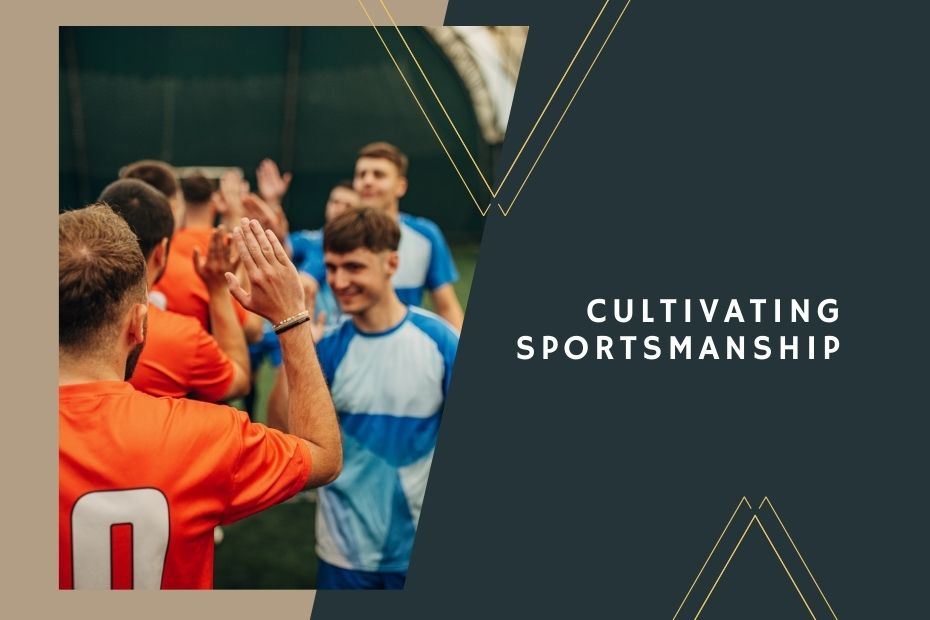
As coaches, we’re often focused on improving our athletes’ technical skills and strategic knowledge of the game. But one of the most impactful contributions we can make is fostering sportsmanship, a quality that extends far beyond any single game or season. Good sportsmanship shapes character, teaches respect, and lays a foundation for how athletes handle both victory and defeat throughout their lives. In this guide, I’ll share actionable strategies to help coaches promote sportsmanship, build strong team dynamics, and shape athletes into individuals who understand the value of integrity on and off the field.
Leading by Example
As coaches, we set the tone for our athletes’ behavior. Whether it’s how we address referees, how we react to challenging moments, or how we treat each player, our actions serve as a live example of sportsmanship. When we model respect, patience, and fairness, it sends a message to athletes about the standards we uphold.
For instance, treating referees and opponents with respect, regardless of the outcome, shows athletes that winning gracefully is as important as playing well. This becomes especially valuable in high-stakes games when emotions run high. When athletes see their coach maintain composure, they learn the importance of staying focused on what matters: the effort and integrity behind their play. Emphasizing this consistently helps players understand that sportsmanship isn’t optional; it’s a key part of the game.
Setting Clear Expectations
One of the most effective ways to cultivate sportsmanship is by establishing clear, consistent expectations. This involves directly discussing what good sportsmanship looks like and why it’s essential. I often start by outlining behavior expectations during practice and games. This includes showing respect to teammates, opponents, and officials, handling wins and losses gracefully, and refraining from negative language or gestures.
Making these expectations clear helps players internalize them. Regularly reinforcing these standards through short discussions or reminders helps keep them fresh in athletes’ minds. I also find it helpful to revisit these guidelines if a player struggles with unsportsmanlike behavior. Holding everyone to the same standard creates a strong, positive team culture where each athlete understands their role in maintaining respect and integrity.
Recognizing and Rewarding Positive Behavior
Acknowledging and rewarding acts of sportsmanship is a powerful motivator for athletes. I make a point to notice when players show respect or make a selfless choice that benefits the team. Whether through verbal praise, small awards, or calling out a specific example in front of the team, recognizing these moments reinforces that character matters as much as skill.
For example, when a player helps an opponent who’s fallen or respectfully disagrees with an official, I highlight it as a commendable act of sportsmanship. By celebrating these instances, I send a clear message that positive behavior doesn’t go unnoticed. This builds a culture where athletes feel motivated to make choices that reflect well on themselves and the team.
Addressing Unsportsmanlike Conduct Promptly
When unsportsmanlike behavior does arise, it’s essential to address it immediately and constructively. Ignoring negative actions, even small ones, can set a precedent that these behaviors are acceptable. I prefer to speak with the athlete privately and directly, explaining the impact of their actions and what I expect going forward.
Taking a direct approach allows the player to reflect on their behavior without feeling embarrassed in front of their teammates. Often, simply understanding the consequences of their actions helps athletes make better choices in the future. If necessary, I implement fair consequences, such as a temporary benching, to emphasize the importance of maintaining sportsmanship. Consistent responses to unsportsmanlike behavior reinforce that these standards are non-negotiable.
Integrating Character Education into Training
While training sessions usually focus on skills and drills, incorporating short discussions or activities that emphasize character can go a long way. I find that using real-life examples or referencing historical figures in sports who exemplified outstanding sportsmanship resonates well with athletes. Talking about these moments, even for a few minutes, makes values like integrity and respect feel as important as physical conditioning.
Scenarios or role-playing activities can also be effective. For instance, setting up a mock scenario where players might face a tough call and need to react teaches them how to handle those situations constructively. When athletes see these principles applied practically, they’re more likely to carry them into real game situations. Over time, these lessons shape a team that plays with honor and respects the essence of the sport.
Encouraging Team-Building Activities
Team-building activities are excellent for fostering unity and reinforcing sportsmanship. These activities help players bond, understand each other better, and develop mutual respect—all of which translate into better on-field dynamics. Activities can be as simple as group discussions, trust exercises, or team challenges that require cooperation.
I’ve found that including service activities, such as volunteer projects, adds another layer of character building. Working together off the field to help others often brings a team closer and highlights the importance of compassion and humility. These experiences help players see themselves as part of a larger community and develop empathy, which feeds into their interactions with teammates and opponents alike.
Engaging Parents and Guardians
Parents and guardians play a crucial role in shaping athletes’ character, and involving them in discussions about sportsmanship ensures consistent messaging. I often hold short meetings or workshops to share the team’s values and expectations. This reinforces the importance of sportsmanship and creates a support network where parents can encourage these values at home.
Engaging parents helps create a unified approach. When athletes see that their families and coaches share the same values, they’re more likely to adopt them themselves. Additionally, parents are more prepared to handle situations in the stands, setting an example of sportsmanship for the athletes to witness. This team-wide support makes a powerful difference in maintaining a positive, respectful environment.
Promoting Respect for Officials and Opponents
Teaching athletes to respect officials and opponents is essential in building a well-rounded team. Respecting officials means accepting calls without protest and maintaining a positive attitude, even when a call doesn’t go in the team’s favor. This shows athletes that respect isn’t conditional and applies regardless of personal opinions.
Similarly, encouraging athletes to respect opponents, whether they win or lose, promotes humility and fairness. Simple acts, like congratulating an opponent or shaking hands post-game, reinforce that sportsmanship doesn’t end when the game does. I make it a point to emphasize these practices after each game, reminding athletes that how they handle victory and defeat reflects their character.
Providing Opportunities for Leadership
Giving athletes leadership opportunities is an effective way to cultivate responsibility and accountability. By assigning roles such as team captain or assistant, coaches can empower players to lead by example. When athletes take on these roles, they understand that they are representing the team and have a responsibility to uphold its values.
Leadership roles don’t always have to be formal. I often ask players to lead warm-ups or run a drill. This small but meaningful responsibility helps athletes feel involved and teaches them to be mindful of their influence on others. When athletes realize they can positively impact their teammates, they’re more likely to act with integrity, knowing their behavior sets a standard.
Reflecting on Experiences
Encouraging players to reflect on their experiences fosters growth and self-awareness. After a game or practice, I like to facilitate team discussions where players share what went well and what they can improve. This gives athletes the chance to think critically about their behavior and reinforces the importance of sportsmanship.
Reflection is a powerful tool, helping athletes recognize moments of success and areas for improvement. When players reflect on both the game and their conduct, they gain a better understanding of how their actions affect the team. This self-awareness builds accountability and encourages continuous growth in both skill and character.
Key Strategies for Cultivating Sportsmanship
- Model respect and positive behavior.
- Set clear conduct expectations.
- Reward acts of sportsmanship.
- Address negative behavior constructively.
- Teach ethics during training.
- Build team unity through activities.
- Involve parents to reinforce values.
- Respect officials and opponents.
- Offer leadership roles.
- Encourage self-reflection
Conclusion: Coach’s Role in Shaping Character
Coaching is about much more than teaching skills or winning games. By promoting sportsmanship and focusing on character development, we prepare athletes for success in sports and beyond. From modeling behavior and setting expectations to engaging parents and providing leadership opportunities, every action we take reinforces the values we want our athletes to embody. When athletes understand that sportsmanship is as crucial as skill, they become better players, teammates, and people. Cultivating sportsmanship shapes character, strengthens team dynamics, and leaves athletes with lessons that last a lifetime.

Jeffrey Wendel leads business development at Carts and Parts, a top E-Z-GO golf car dealership in Union City, IN. With more than three decades in powersports retail and small-business growth, he specializes in financing, customer experience, and marketing—and also coaches owners on scalable strategies. He is the author of Grand Slam Retirement.