
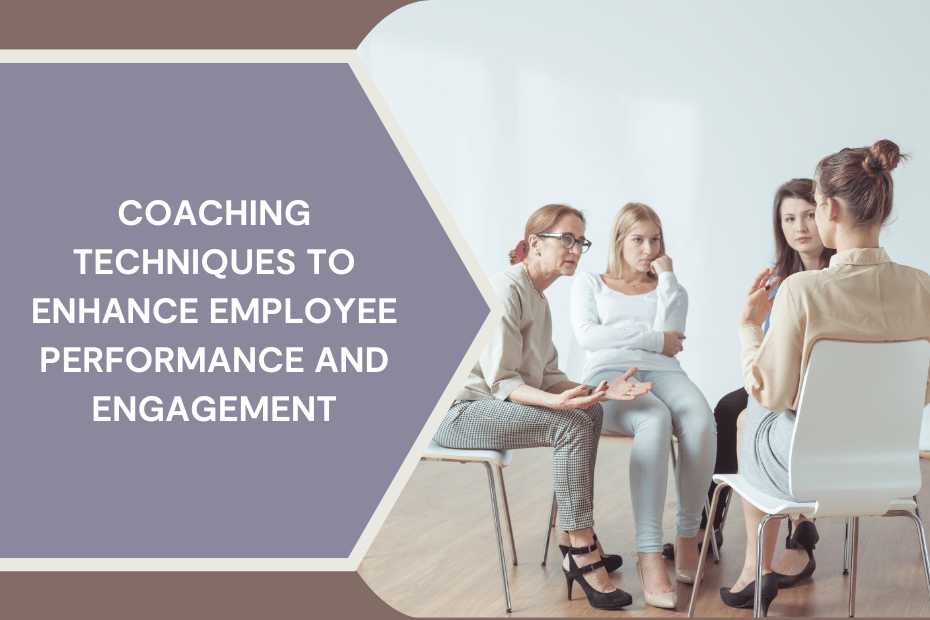
Throughout my career, I’ve seen firsthand how effective coaching can significantly enhance employee performance and engagement. The purpose of coaching isn’t just to correct mistakes or improve specific skills, but to foster a culture of growth where employees feel empowered to reach their full potential. In this guide, I’ll share techniques that can help managers inspire their teams, drive continuous improvement, and create a more engaged workforce.
Setting SMART Goals
Establishing SMART (Specific, Measurable, Achievable, Relevant, Time-bound) goals is a fundamental coaching technique that I’ve found to be effective. This approach ensures employees have clear targets, making it easier to track progress and stay motivated. When goals are specific, employees know exactly what is expected of them. Measurable goals provide a way to track progress, while achievable targets keep them within reach without being too easy. Relevance ensures goals align with broader business objectives, and setting a deadline fosters a sense of urgency.
I always involve employees in the goal-setting process to encourage ownership and commitment. When they contribute to defining their objectives, it boosts engagement and helps align their personal growth with the organization’s strategic goals.
Active Listening and Powerful Questioning
In my experience, the foundation of effective coaching lies in active listening. It goes beyond simply hearing what an employee says; it involves understanding their emotions, concerns, and aspirations. By listening attentively and responding thoughtfully, a coach builds trust, making it easier to address sensitive issues and guide employees toward meaningful solutions.
I also use powerful questioning techniques to help employees reflect on their challenges and explore potential solutions. Open-ended questions, such as “What steps can you take to achieve your goal?” encourage deeper thinking and self-reflection, allowing employees to take ownership of their development. This approach fosters a growth mindset and builds problem-solving skills, which are crucial for long-term success.
Providing Constructive Feedback
Feedback is an essential part of coaching, but it must be delivered thoughtfully. Constructive feedback should highlight specific behaviors and outcomes rather than general statements. I always focus on both strengths and areas for improvement, using the “sandwich” method: start with positive feedback, address areas needing improvement, and end with encouragement. This approach helps employees feel valued and understood while still recognizing the need for growth.
When giving feedback, I encourage managers to provide clear examples and practical suggestions for improvement. For instance, instead of saying “You need to improve your communication,” it’s more helpful to suggest, “In the next meeting, try summarizing key points to ensure clarity.” This actionable advice makes it easier for employees to understand what is expected and how to achieve it.
Leveraging Technology for Coaching
The digital age offers powerful tools that can enhance the coaching experience. Platforms like CoachHub and BetterUp use AI-driven insights to personalize coaching sessions, track progress, and offer real-time feedback. These platforms make it easier to schedule sessions, monitor employee development, and provide resources for continuous learning.
I’ve found that integrating technology into coaching improves accessibility and allows for data-driven approaches to monitor the impact of coaching initiatives. Employees can use digital tools to set goals, receive reminders, and track their progress, making the process more engaging and less dependent on traditional methods. Digital platforms also enable remote coaching, ensuring that even geographically dispersed teams receive the same level of support.
Promoting a Culture of Continuous Improvement
To truly enhance employee performance, coaching should be embedded within the company culture. A culture of continuous improvement encourages employees to see every experience as an opportunity to learn. I often recommend integrating regular self-reflection practices, such as monthly personal performance reviews, where employees evaluate what went well, what didn’t, and how they can improve moving forward.
Encouraging a mindset that values growth over perfection also makes employees more receptive to feedback. When coaching is positioned as a way to support career growth rather than just performance correction, it becomes a tool for employee empowerment rather than criticism.
Incorporating Peer-to-Peer Coaching
Peer-to-peer coaching is a powerful technique that can foster a sense of community and collaboration. When employees coach each other, they share unique insights and experiences, offering different perspectives that traditional top-down coaching may miss. I’ve seen peer coaching work well in situations where employees share similar challenges, allowing them to learn together and from one another.
Facilitating peer-to-peer coaching sessions can involve organizing group discussions, where employees rotate in presenting on particular challenges they face, with the group offering solutions. This approach enhances knowledge sharing and builds strong interpersonal relationships within the team.
Using Coaching to Support Mental Fitness
The modern workplace can be stressful, and coaching can play a crucial role in promoting mental wellness. I incorporate mental fitness coaching to help employees develop resilience and manage stress more effectively. Techniques such as mindfulness training, relaxation exercises, and resilience-building strategies empower employees to handle workplace challenges better.
Mental fitness coaching doesn’t just benefit individual well-being; it also improves overall performance and engagement. Employees who manage stress effectively are less likely to experience burnout, are more motivated, and can maintain productivity even during difficult times.
Key Coaching Techniques for Employee Performance
- Set SMART goals: Make goals specific, measurable, achievable, relevant, and time-bound.
- Practice active listening: Fully engage with employees to understand their challenges.
- Provide constructive feedback: Offer specific, actionable guidance.
- Leverage technology: Use digital tools to enhance coaching sessions.
- Encourage peer-to-peer coaching: Facilitate shared learning within teams.
In Conclusion
Coaching is an invaluable tool for boosting employee performance and engagement when implemented with thoughtful techniques. Setting clear goals, practicing active listening, and providing constructive feedback lay the foundation for meaningful employee development. By integrating technology, promoting continuous improvement, and supporting mental fitness, coaching can create a work environment where employees are motivated to grow and excel. As a coach, seeing employees reach their potential is incredibly rewarding, and with these techniques, you can help your team achieve greater success.

Jeffrey Wendel leads business development at Carts and Parts, a top E-Z-GO golf car dealership in Union City, IN. With more than three decades in powersports retail and small-business growth, he specializes in financing, customer experience, and marketing—and also coaches owners on scalable strategies. He is the author of Grand Slam Retirement.