
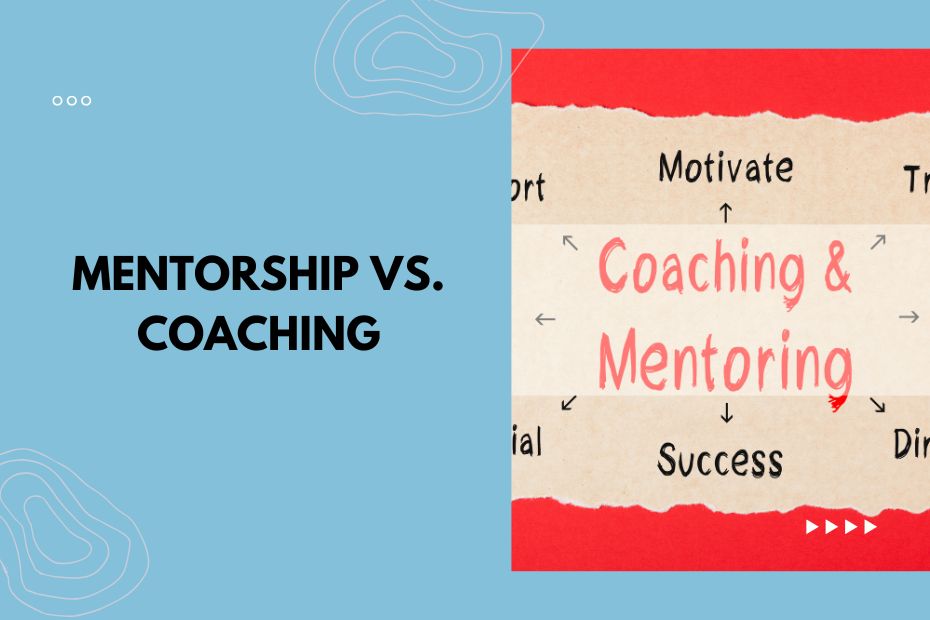
Mentorship and coaching play distinct roles in the personal and professional growth of individuals, each offering unique value. Having spent years in professional development, I’ve observed how understanding these differences can help organizations and individuals choose the right approach for their specific needs. Mentorship is often seen as a relationship-centered approach focused on long-term development, while coaching is a goal-oriented, short-term partnership that addresses specific challenges. In this article, I’ll explore what sets mentorship and coaching apart, examine their respective benefits, and provide guidance on when to choose each for optimal results.
Defining Mentorship and Coaching
Before diving into their differences, let’s establish what mentorship and coaching entail. Mentorship is a relationship where a more experienced individual, the mentor, provides guidance, support, and career insights to a less experienced person, the mentee. This relationship often spans years and is not limited to professional guidance—it encompasses broader aspects of personal and career growth.
Coaching, on the other hand, is typically a structured process focused on helping individuals or teams reach specific goals within a set timeframe. Coaches assist in identifying areas for improvement, setting achievable objectives, and creating action plans. The relationship between coach and coachee is often formal, with a strong emphasis on measurable outcomes. While both approaches aim to develop the individual, the methods and timelines vary significantly.
Objectives and Focus Areas
The core objectives of mentorship and coaching differ considerably. Mentorship is about fostering holistic development, providing mentees with career insights, and offering long-term personal and professional growth. Mentors often help mentees understand industry trends, organizational culture, and the unspoken rules of their field, helping them navigate challenges over the long haul.
Coaching, however, has a more focused approach. It’s goal-oriented and centers on achieving specific outcomes, such as improving performance, enhancing a particular skill, or overcoming obstacles within a designated timeframe. A coach will typically work with the individual to identify strengths and weaknesses, setting clear objectives and using targeted strategies to achieve those goals. This short-term, results-driven focus distinguishes coaching from the more open-ended nature of mentorship.
Relationship Structure and Dynamics
Mentorship relationships tend to be informal and long-lasting. The mentor and mentee often meet periodically without strict agendas, allowing discussions to flow naturally. This structure fosters a bond where the mentee can learn from the mentor’s experiences, benefiting from both successes and setbacks. The mentor acts as a trusted advisor, often guiding the mentee through various stages of their career.
In contrast, coaching relationships are typically formal and structured. Coaching sessions are scheduled regularly, with clear agendas and goals in mind. The coach takes on a supportive role, asking questions and encouraging the coachee to find their solutions rather than providing direct advice. This structured dynamic emphasizes accountability and progress tracking, making it effective for specific challenges where measurable results are desired.
Methods and Approach
The methods used in mentorship and coaching also differ significantly. In mentorship, the mentor shares experiences, offers advice, and provides insights from their career. Mentors may also introduce mentees to their professional networks, giving them exposure to valuable contacts and opportunities. The mentee can ask questions, seek advice, and learn from the mentor’s journey, allowing them to grow in a supportive environment.
Coaching, however, involves more targeted techniques and exercises designed to encourage self-reflection, problem-solving, and skill-building. Coaches often employ specific frameworks, like SMART goals (Specific, Measurable, Achievable, Relevant, and Time-bound), to structure objectives and track progress. The focus in coaching is on the coachee’s development, with coaches guiding them to unlock their potential and reach their targets. Rather than offering direct advice, coaches help individuals analyze their situation, identify potential barriers, and create actionable solutions.
Benefits of Mentorship
Mentorship provides broad, long-term benefits, impacting both personal and professional growth. Some of the most notable advantages of mentorship include:
- Career Development: Mentors provide valuable insights into career paths, helping mentees understand what skills and experiences are necessary to reach their goals. Through mentorship, mentees gain a clearer view of their career trajectory.
- Networking Opportunities: Mentors often introduce their mentees to important contacts, expanding their network and opening doors to new opportunities. These connections can be invaluable for career advancement.
- Confidence and Personal Growth: Regular interactions with a mentor allow mentees to build confidence, improve decision-making skills, and gain a broader perspective on their field. This personal growth often leads to enhanced professional performance.
Mentorship is particularly beneficial for individuals who are new to a field, navigating a career transition, or seeking guidance on long-term career goals. The mentor’s insights help mentees prepare for challenges and make informed choices, ensuring they grow both personally and professionally.
Benefits of Coaching
Coaching offers a more focused, results-driven approach to development, providing benefits that are geared toward achieving specific objectives. Key advantages of coaching include:
- Skill Enhancement: Coaching often targets particular skills, such as leadership, communication, or project management. By working with a coach, individuals can make significant improvements in areas that impact their job performance directly.
- Goal Achievement: Coaches assist individuals in setting realistic goals and creating action plans to achieve them. This structured process provides clear steps toward progress, making it easier for individuals to track their achievements.
- Increased Accountability: Regular coaching sessions create a sense of accountability, encouraging individuals to stay committed to their objectives. Knowing that a coach will review their progress keeps individuals motivated and focused on their goals.
Coaching is particularly useful for individuals who need support in overcoming specific challenges, preparing for a new role, or enhancing performance in a targeted area. Its structured, goal-oriented approach makes it ideal for short-term development with measurable outcomes.
Choosing Between Mentorship and Coaching
Deciding between mentorship and coaching depends on the needs and goals of the individual or organization. Mentorship is a suitable choice for individuals seeking long-term guidance, industry insights, and broader personal growth. It’s ideal for those looking to understand organizational culture, navigate career transitions, or develop leadership skills over time.
Coaching, on the other hand, is well-suited for individuals or teams looking to address specific challenges, improve particular skills, or achieve short-term goals. It is effective for enhancing performance, preparing for new responsibilities, or tackling unique obstacles. In cases where immediate results are needed, coaching’s structured approach can provide the necessary support.
Some organizations benefit from integrating both mentorship and coaching, creating a development system that addresses both broad growth and specific goals. Mentorship programs offer employees access to experienced leaders for long-term support, while coaching sessions provide a focused space for addressing immediate challenges. Together, these approaches create a comprehensive development environment.
Integrating Mentorship and Coaching for Comprehensive Development
Many organizations find value in offering both mentorship and coaching, recognizing that each serves a unique purpose. Integrating these two approaches can foster a culture of continuous learning and development, allowing individuals to receive both broad guidance and focused support.
For example, new employees might be paired with mentors who can help them understand company culture and navigate their career path. As they settle into their roles, they may also work with a coach to improve specific skills, such as project management or communication. This dual approach provides employees with a well-rounded support system, ensuring they grow in all areas and receive targeted assistance when needed.
In practice, mentorship and coaching can complement each other, with mentorship providing long-term wisdom and career advice, and coaching delivering short-term guidance on immediate goals. This combination can be particularly effective in industries where both technical skills and interpersonal abilities are crucial for success.
Key Differences Between Mentorship and Coaching
- Mentorship: Long-term, relationship-based, broad personal and career growth.
- Coaching: Short-term, structured, goal-oriented, focused on specific skills and performance.
- Benefits of Mentorship: Career insights, networking, confidence building.
- Benefits of Coaching: Skill enhancement, goal achievement, accountability.
In Conclusion
Mentorship and coaching are powerful tools for personal and professional growth, each offering distinct benefits that can shape an individual’s career. While mentorship focuses on broad, relationship-based support over time, coaching hones in on specific goals and skills, helping individuals reach measurable results. Understanding these differences allows individuals and organizations to select the approach that best aligns with their needs. By leveraging both mentorship and coaching when appropriate, companies can create a development environment that promotes continuous learning, long-term growth, and immediate performance improvements.

Jeffrey Wendel leads business development at Carts and Parts, a top E-Z-GO golf car dealership in Union City, IN. With more than three decades in powersports retail and small-business growth, he specializes in financing, customer experience, and marketing—and also coaches owners on scalable strategies. He is the author of Grand Slam Retirement.