
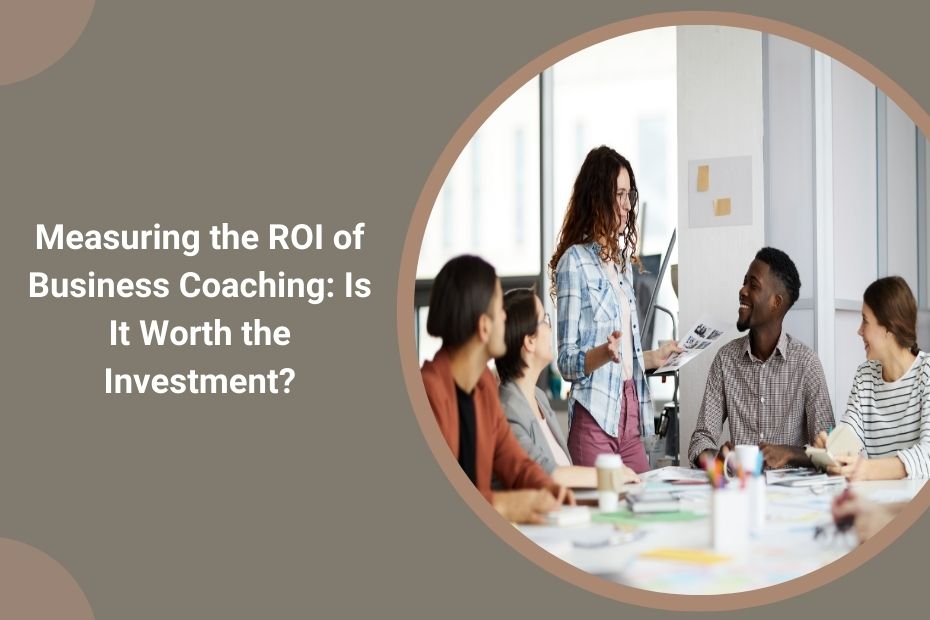
Investing in business coaching can be a transformative decision for organizations aiming to enhance leadership, boost team performance, and drive overall growth. However, as with any investment, it’s crucial to evaluate its return. Over the years, I’ve helped companies implement coaching programs and assess their impact. Here’s what I’ve learned about measuring the ROI of business coaching and determining whether it’s truly worth the investment.
What Is Business Coaching?
Business coaching is a collaborative process where a professional coach works with individuals or teams to help them develop skills, overcome challenges, and achieve specific goals. It can focus on leadership development, improving communication, or addressing operational inefficiencies. While the benefits are clear to those who experience them, quantifying those benefits for decision-makers often requires a structured approach.
Why Measure the ROI of Business Coaching?
For many organizations, coaching represents a significant financial and time commitment. Measuring its ROI ensures that resources are being used effectively. More importantly, it allows companies to identify which coaching strategies work best and align them with their broader goals.
The ROI of coaching is more than just financial—it includes improvements in leadership effectiveness, employee engagement, and organizational culture. These qualitative outcomes may not directly impact the bottom line but are invaluable for long-term growth.
Identifying Key Metrics for Business Coaching ROI
To measure the ROI of coaching, it’s essential to track both quantitative and qualitative metrics. Here are the key areas I focus on:
- Financial Performance
One of the easiest ways to measure ROI is to link coaching outcomes to financial results. For example, a sales manager receiving coaching might improve team performance, leading to increased revenue. - Productivity Levels
Coaching often boosts productivity by helping employees manage time better, set priorities, and improve processes. Track measurable changes in output before and after coaching. - Employee Retention
Retaining top talent is a significant cost-saving measure. Coaching can enhance employee satisfaction, reducing turnover rates and the associated costs of recruitment and training. - Customer Satisfaction
Improved leadership and communication often trickle down to customer interactions. Monitoring changes in customer satisfaction scores can provide insight into coaching’s impact. - Leadership Effectiveness
Use tools like 360-degree feedback to evaluate improvements in leadership skills. Compare feedback from before and after coaching to identify growth areas.
Calculating ROI
Calculating the ROI of business coaching involves comparing the financial benefits achieved to the cost of the coaching program. Here’s a simple formula:
ROI (%) = [(Net Benefits – Coaching Costs) / Coaching Costs] × 100
For example, if coaching leads to a $50,000 increase in profit and costs $10,000: ROI = [($50,000 – $10,000) / $10,000] × 100 = 400%
While this formula works well for financial metrics, incorporating qualitative outcomes may require surveys, feedback, and additional analysis.
Challenges in Measuring Business Coaching ROI
Measuring coaching ROI isn’t always straightforward. Some challenges include:
- Attribution Difficulties: Improvements may result from multiple factors, not just coaching. For example, changes in market conditions or internal processes might contribute to increased revenue.
- Time Lag: Coaching benefits often take months or even years to manifest fully, making it harder to attribute immediate results.
- Subjective Outcomes: Metrics like leadership effectiveness and employee morale are harder to quantify but are critical for long-term success.
Overcoming these challenges involves combining quantitative and qualitative approaches to build a holistic picture of coaching’s value.
Is Business Coaching Worth the Investment?
Based on my experience, the answer is often yes—but with some caveats. The effectiveness of coaching depends on several factors:
- Quality of the Coach: A skilled coach with relevant experience can tailor their approach to meet the organization’s unique needs.
- Commitment from Participants: Coaching is most effective when participants are motivated to engage fully and apply what they learn.
- Alignment with Business Goals: Coaching should be tied to specific objectives, such as improving leadership, driving sales, or enhancing customer satisfaction.
When these factors align, coaching can deliver significant returns—both financially and in terms of organizational culture.
Maximizing the ROI of Coaching
To ensure coaching delivers value, consider these tips:
- Set Clear Goals: Define what success looks like before starting the program. This might include specific metrics like revenue growth, improved employee retention, or enhanced customer feedback.
- Track Progress: Use surveys, performance reviews, and financial data to monitor progress throughout the program.
- Encourage Application: Provide opportunities for participants to apply what they learn. For instance, if coaching focuses on communication, encourage participants to lead meetings or presentations.
- Solicit Feedback: Regularly gather feedback from participants and stakeholders to adjust the program as needed.
Key Metrics to Measure Business Coaching ROI
- Financial Performance: Revenue growth and cost savings.
- Productivity Levels: Increased efficiency and output.
- Employee Retention: Lower turnover rates.
- Customer Satisfaction: Improved service and feedback scores.
- Leadership Effectiveness: Measured via 360-degree feedback.
In Conclusion
Measuring the ROI of business coaching is both an art and a science. While financial metrics are essential, the qualitative benefits—like improved leadership, employee satisfaction, and customer loyalty—can be just as impactful. By setting clear goals, tracking progress, and aligning coaching with business objectives, organizations can maximize their investment. In my experience, when executed well, business coaching not only delivers measurable returns but also creates a lasting impact on the organization’s culture and success.

Jeffrey Wendel leads business development at Carts and Parts, a top E-Z-GO golf car dealership in Union City, IN. With more than three decades in powersports retail and small-business growth, he specializes in financing, customer experience, and marketing—and also coaches owners on scalable strategies. He is the author of Grand Slam Retirement.